

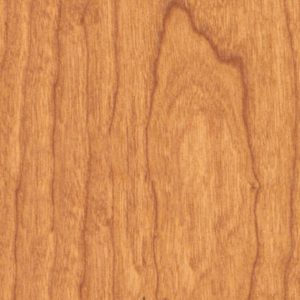

Australian Tasmanian Blackwood
Australian Tasmanian Blackwood is a richly expressive hardwood renowned for its warmth, depth, and elegant figure. Sourced from the cool temperate regions of south-eastern Australia, it is commonly grown and harvested across Tasmania and parts of Victoria. These regions produce Blackwood prized for its colour variation and refined grain.
Tasmanian Blackwood is celebrated for its striking tonal range, from golden honey and warm amber through to deeper chocolate browns, often featuring subtle fiddleback figure and flowing grain movement. This natural variation creates a sense of richness and individuality, giving each veneer a distinctive and luxurious character.
Historically favoured for fine furniture and high-end joinery, Tasmanian Blackwood has long been associated with craftsmanship and quality in Australian interiors. Today, it continues to be specified for premium residential and commercial projects where depth, warmth, and visual interest are key design elements.
Natural Australian Tasmanian Blackwood offers designers a locally sourced timber veneer that combines heritage, sophistication, and enduring Australian beauty in every application.
Tasmanian Blackwood
-
Cut:
Crown-cut -
Sheet Sizes:
2400mmx1200mm, 2700mmx1200mm - Download Image
- Share
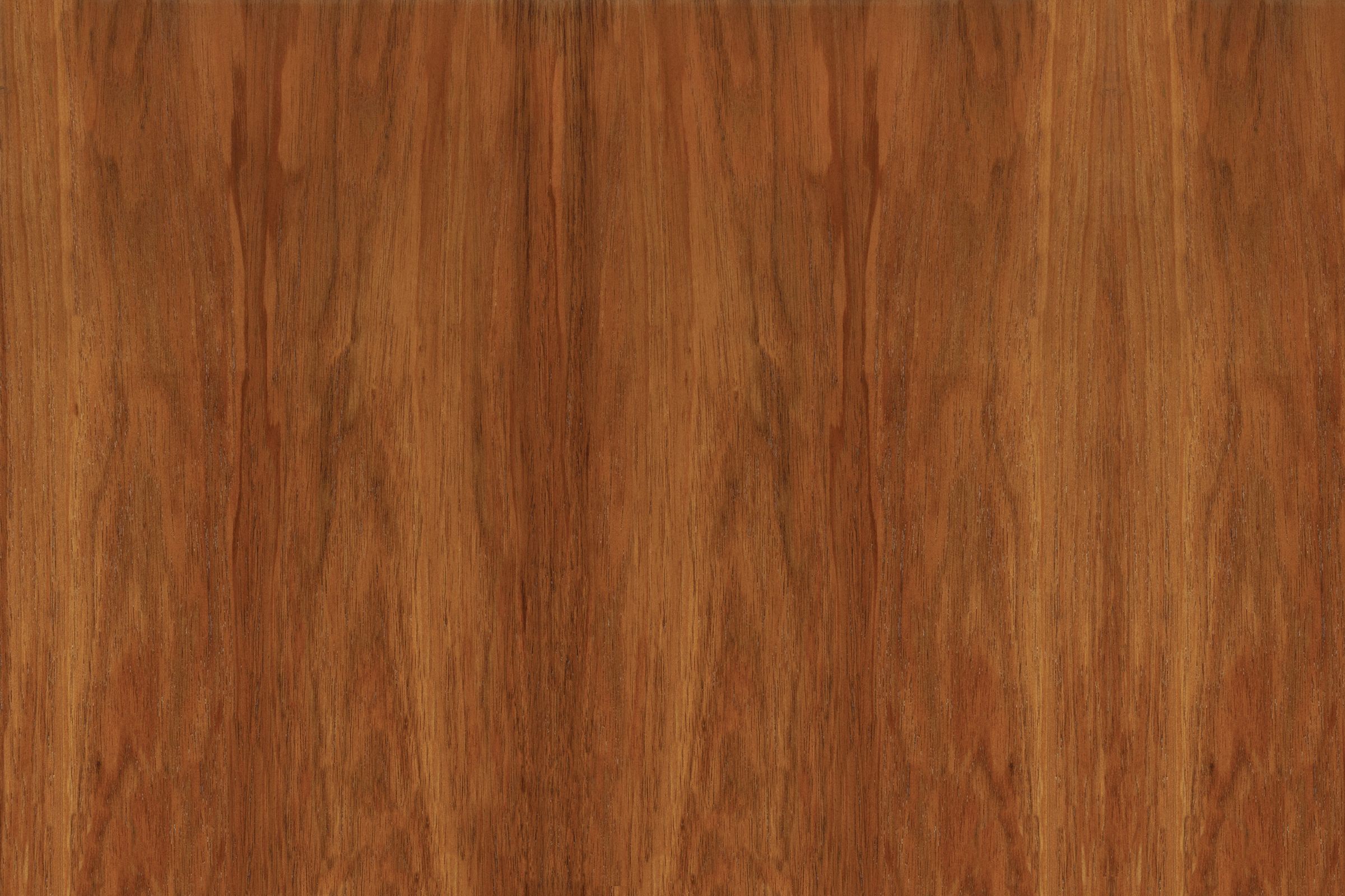
- Samples
Product Sizes & Data
Nominal veneer leaf size(s): Lengths generally 2500mm up to 2800mm, sometimes 3100 - please contact us. Widths - various
Typical Finished Panel size(s): 2400mmx1200mm, 2700mmx1200mm
Thickness of Veneer: 0.55mm - 0.65mm
Product Data Sheet: DOWNLOAD
Typical Finished Panel size(s): 2400mmx1200mm, 2700mmx1200mm
Thickness of Veneer: 0.55mm - 0.65mm
Product Data Sheet: DOWNLOAD
About & Applications
Availability: Good availability
Price zone: Slightly above average
Applications: Suitable for interior, dry, low/medium-wear applications, vertical and low/medium-wear horizontal applications such as wall panelling, interior doors, furniture, ceiling panels, table- and desk-tops. It should not be used for high wear areas such as floors, stair treads, counter-tops exposed to heavy wear/water and kitchen counter-tops. Not suitable for use in high humidity, wet, steamy or damp conditions such as vanity tops, splash-backs or above stoves and dishwashers. Do not use in exterior applications, areas exposed to temperatures above 60 degrees C nor areas around stoves and fireplaces. Note that the appearance of veneer will change over time due to direct and indirect light, and exposure to heat and air. Some logs or leaves of veneer may age differently to other logs/leaves of the same species. Keep out of direct sunlight. As it is not possible to cover all associated manufacturing materials, conditions, products and methods, the end-user is responsible for carrying out the necessary tests and trials to check that the veneer, coating type, fabrication methods, associated materials and cleaning products/methods are suitable for the application.
About & Applications information: DOWNLOAD
Colour/Appearance: Striped/Multi-coloured
Consistency of Appearance: Considerably less than average
Other names: Australian Blackwood, Victorian Blackwood
Botanical Name: Acacia melanoxylon
Origin: Australia
Price zone: Slightly above average
Applications: Suitable for interior, dry, low/medium-wear applications, vertical and low/medium-wear horizontal applications such as wall panelling, interior doors, furniture, ceiling panels, table- and desk-tops. It should not be used for high wear areas such as floors, stair treads, counter-tops exposed to heavy wear/water and kitchen counter-tops. Not suitable for use in high humidity, wet, steamy or damp conditions such as vanity tops, splash-backs or above stoves and dishwashers. Do not use in exterior applications, areas exposed to temperatures above 60 degrees C nor areas around stoves and fireplaces. Note that the appearance of veneer will change over time due to direct and indirect light, and exposure to heat and air. Some logs or leaves of veneer may age differently to other logs/leaves of the same species. Keep out of direct sunlight. As it is not possible to cover all associated manufacturing materials, conditions, products and methods, the end-user is responsible for carrying out the necessary tests and trials to check that the veneer, coating type, fabrication methods, associated materials and cleaning products/methods are suitable for the application.
About & Applications information: DOWNLOAD
Colour/Appearance: Striped/Multi-coloured
Consistency of Appearance: Considerably less than average
Other names: Australian Blackwood, Victorian Blackwood
Botanical Name: Acacia melanoxylon
Origin: Australia
Pressing, Finishing & Fabrication
Handling and Care instructions: DOWNLOAD
Edging availability: Veneer edging can be made by/is available from edge-band manufacturers. Solid wood is generally available from specialist timber merchants. Note that edging, even if the same species as the face veneer, may not necessarily look the same as the face veneer.
Finish: Use a high quality low-yellowing 2-pack polyurethane designed for use with wood veneer for sealer and top coats, with manufacturer approved UV prohibitors. Sealer and coating film thickness to be as recommended by the coating manufacturer. Note that if wood stains are used, this may accentuate features such as pin-knots, figure, grain and join lines. Test pieces should be prepared to ensure that the coating and stains are suitable.
Pressing, Finishing & Fabrication information: DOWNLOAD
Edging availability: Veneer edging can be made by/is available from edge-band manufacturers. Solid wood is generally available from specialist timber merchants. Note that edging, even if the same species as the face veneer, may not necessarily look the same as the face veneer.
Finish: Use a high quality low-yellowing 2-pack polyurethane designed for use with wood veneer for sealer and top coats, with manufacturer approved UV prohibitors. Sealer and coating film thickness to be as recommended by the coating manufacturer. Note that if wood stains are used, this may accentuate features such as pin-knots, figure, grain and join lines. Test pieces should be prepared to ensure that the coating and stains are suitable.
Pressing, Finishing & Fabrication information: DOWNLOAD
Sustainability, Health & Safety
Environmental: Sustainably managed
Environment Health & Safety information: DOWNLOAD
Available as environmentally certified: No
Emissions from raw veneer: Zero Formaldehyde emissions (E0) and zero VOC's from raw veneer. To maintain E0 rating, specify E0 substrate and glue, and E0 water based low-VOC coating clear coat.
Formaldehyde statement: DOWNLOAD
Material Safety Data Sheet: DOWNLOAD
Environment Health & Safety information: DOWNLOAD
Available as environmentally certified: No
Emissions from raw veneer: Zero Formaldehyde emissions (E0) and zero VOC's from raw veneer. To maintain E0 rating, specify E0 substrate and glue, and E0 water based low-VOC coating clear coat.
Formaldehyde statement: DOWNLOAD
Material Safety Data Sheet: DOWNLOAD
Fire Ratings
Fire Hazard Group 1 not possible at this stage. Fire Hazard Group 2 when glued onto 12mm and thicker FLAMEBLOCK FRMDF (NCC 2022 / AS 5637 / ISO 9705 Room Burn Test). Download FIRE HAZARD GROUP 2 INFORMATION